

Smoothies
Strawberry Pineapple Splash
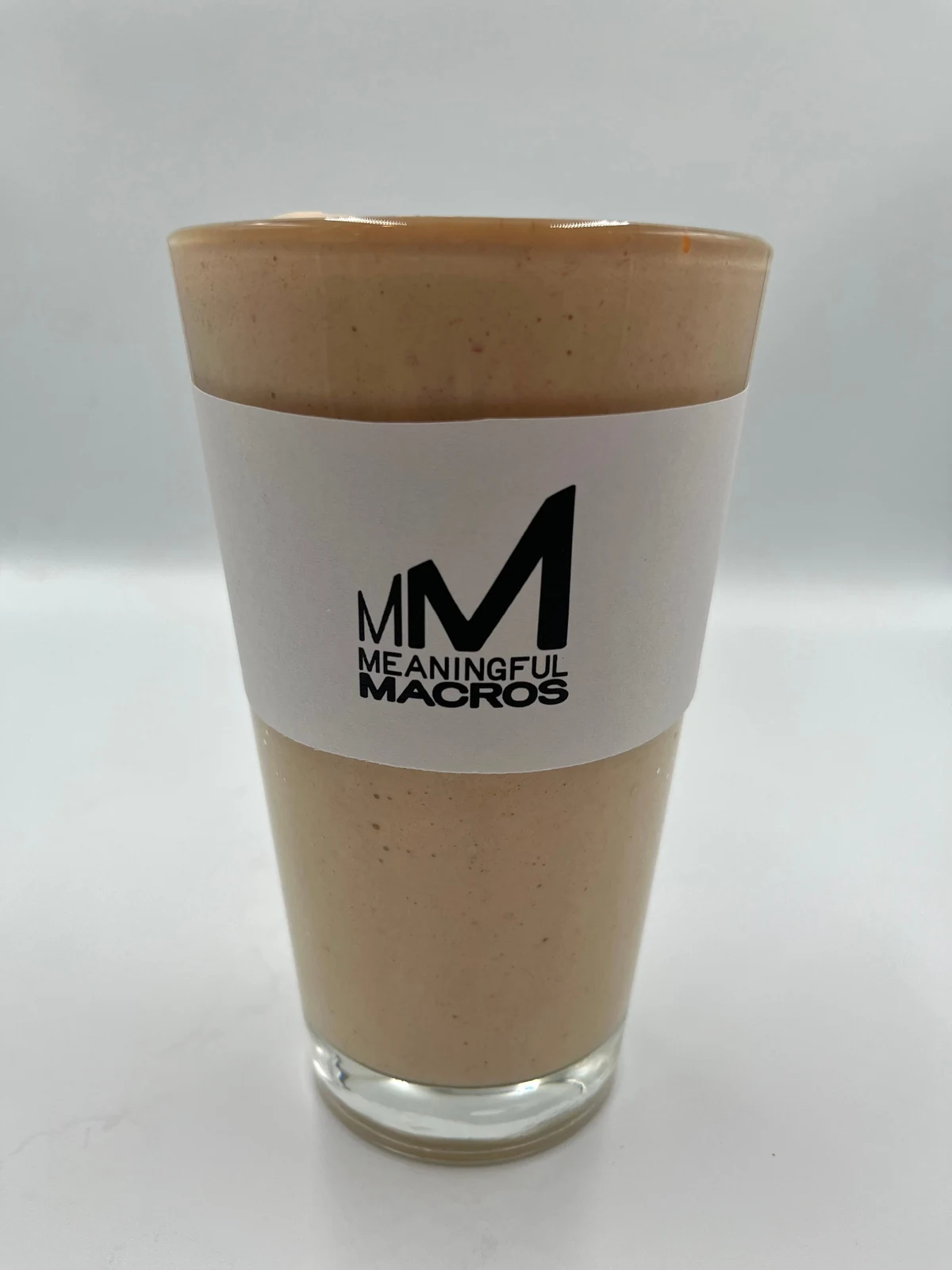
Sweet strawberries, tropical pineapple, and vanilla protein powder come together in this bright and refreshing smoothie. With 31 grams of protein and just 342 calories, it’s a deliciously easy way to bring a little sunshine to your day! Best of all, it blends up in only two minutes for a quick breakfast, snack, or post-workout boost.
- Prep
- 2 min
- Makes
- 1 servings
- Prep Time
- 2 mins
- Total Time
- 2 mins
Equipment
As an Amazon Associate I earn from qualifying purchases.
Ingredients
Ingredient links open Walmart products from our grocery planner. Links marked “Walmart search” need your product choice. Confirm package details and local availability at Walmart.
Ingredients
Instructions
Add strawberry juice and pineapple juice to a blender.
4 fl oz strawberry juice, 4 oz pineapple juice
1 cup frozen strawberries, ½ cup ice
44 g vanilla protein powder
Blend until completely smooth, scraping down the sides if needed.
Notes
Optional supplements are a personal addition and are not included in the grocery list or nutrition estimate.
Nutrition
Per servingEstimates for one serving. Changing the recipe yield scales the ingredients and keeps these per-serving amounts the same.
- Calories
- 342 kcal
- Carbohydrates
- 48.7 g
- Protein
- 31 g
- Fat
- 3.3 g
- Saturated Fat
- 2.52 g
- Polyunsaturated Fat
- 0.18 g
- Monounsaturated Fat
- 0.49 g
- Trans Fat
- 0 g
- Cholesterol
- 105 mg
- Sodium
- 218 mg
- Potassium
- 552 mg
- Fiber
- 3.4 g
- Sugar
- 34.1 g
- Added Sugar
- 11.5 g
- Vitamin A
- 26 mcg RAE
- Vitamin C
- 207.73 mg
- Vitamin D
- 25 mcg
- Calcium
- 192 mg
- Iron
- 1.71 mg
Estimated ingredient cost
$3.09 per serving · $3.09 for this batch
Estimated US grocery prices for the amounts used, including purchase waste and discarded marinade. Your store, brands, and package sizes may cost differently. Buying full packages can cost more. Price sources and methodology.
Ingredient costs and assumptions
Quantities without exact weights use the nutrition library’s portion estimates. Purchase yields are estimates. Separate citrus ingredients are costed independently; reusing the same fruit for juice and zest can lower your cost. Labor, utilities, and delivery are excluded.
- strawberry juice: $0.23
120 g purchased · Uses the reviewed ingredient quantity before cooking or marinade losses.
8 fl oz = 240 g; These three product labels define 8 fl oz as 240 mL. Approximate 1 g/mL only for internal mass normalization. Paired with label values per 240 g, one authored 8-fl-oz serving reproduces the label. Not a measured package density. Owner-approved branded drink formulation; prior dated price observations retained.
Walmart: Ocean Spray White Cran-Strawberry Juice Drink · Price checked 2026-10-02
- pineapple juice: $0.24
113.4 g purchased · Uses the reviewed ingredient quantity before cooking or marinade losses.
Authored ingredient weight. Three 64 US fl oz bottles; total package volume 192 US fl oz.
Walmart: (3 pack) Great Value Pineapple 100% Juice, 64 fl oz · Price checked 2026-09-21
- frozen strawberries: $0.94
149 g purchased · Uses the reviewed ingredient quantity before cooking or marinade losses.
1 cup (unthawed) = 149 g; temperature=unthawed Representative product for this ingredient; your brand and package size may differ.
Walmart: Great Value Whole Strawberries, 16 oz (Frozen) · Price checked 2026-09-21
- vanilla protein powder: $1.67
44 g purchased · Uses the reviewed ingredient quantity before cooking or marinade losses.
Authored ingredient weight. Selected vanilla whey formula; historical price observations retained.
Walmart: Body Fortress Super Advanced Whey Protein Powder - Vanilla · Price checked 2026-10-02
Not included in this estimate:
- ice: Assumes ice made from kitchen tap water; purchased bagged ice is not included.
Make it yoursRecipe notes & meal-prep tips
Macro breakdown
- Protein31g36%
- Carbs48.7g56%
- Fat3.3g8%
Per serving · Share of calories from macros
Calculated using 4 calories per gram of protein and carbs, and 9 for fat. Rounding and fiber can affect the listed calorie total.Triple B's Meal Prep Notes
Pineapple juice supplies the tropical flavor here; the frozen fruit is strawberry. That means the freezer-prep step is especially simple: measure the strawberries into single-serving containers, then add the two juices, ice, and protein powder when you blend. There is no need to keep a second bag of frozen fruit open just for this recipe.
Use the listed ice as your starting point because it affects thickness without adding more juice. Blend until the ice and strawberries are fully broken down, then check before thinning. If you want to experiment with frozen pineapple, substitute it deliberately for part of the frozen fruit and expect the drink's flavor and body to change. Keep the original juice-based version as your reference.
This bridges the berry smoothies and tropical smoothie collection, making it an easy option when you like both flavors but want a short ingredient list. A familiar vanilla protein powder keeps the sweetness more predictable while you adjust fruit or juice brands. Compare its sodium label too if you are choosing from the low-sodium recipe archive; different powders will change the finished drink. Prepare the fruit portions ahead and blend fresh, then explore the other smoothie recipes if you want a different drink from the same freezer staples.


Notes from your kitchen
Tried it? Tell us how it went.
Leave a rating and tell us how it turned out. Swaps, tips, and questions welcome.