← All recipe roundups

Find your next meal prep

4 High-Fiber, High-Protein Meal Preps

Four high-fiber meal preps with at least 6g fiber and 50g protein per serving. Compare beef, tilapia, salmon and pork with their written sides.

4selected recipes
55.7-59.2gprotein / recipe serving
Find your recipe ↓
Southwest Beef & Sweet Potato Skillet
Pictured: Southwest Beef & Sweet Potato Skillet

A shorter list, with a reason for every pick

What sounds good this week?

Start with the sides you want to eat: sweet potatoes, chickpeas and quinoa, or roasted Brussels sprouts. These four meals keep those ingredients in the serving rather than treating vegetables as an optional extra. Choose a skillet dinner, a fish bowl or a slow-cooker batch to suit the time you have.

For a wider browse, visit the high-fiber recipe archive. This comparison narrows that idea to four complete meal preps with checked fiber and protein values.

How we chose: Four selected published, photographed recipes, each making four servings with at least 6g fiber and 50g protein per listed serving. We check the current numeric recipe labels, not just dietary tags. This is a practical shortlist, not an exhaustive ranking, a daily intake target or a promise about health outcomes.

Sweet potatoes, two ways

The beef skillet simmers diced sweet potato with tomatoes and green chiles before the beef and cheddar go back in. BBQ pork pairs slow-cooked loin with separately roasted wedges. Pick the skillet for a shorter cooking session or the pork when you can start hours ahead.

Chickpeas and quinoa with tilapia

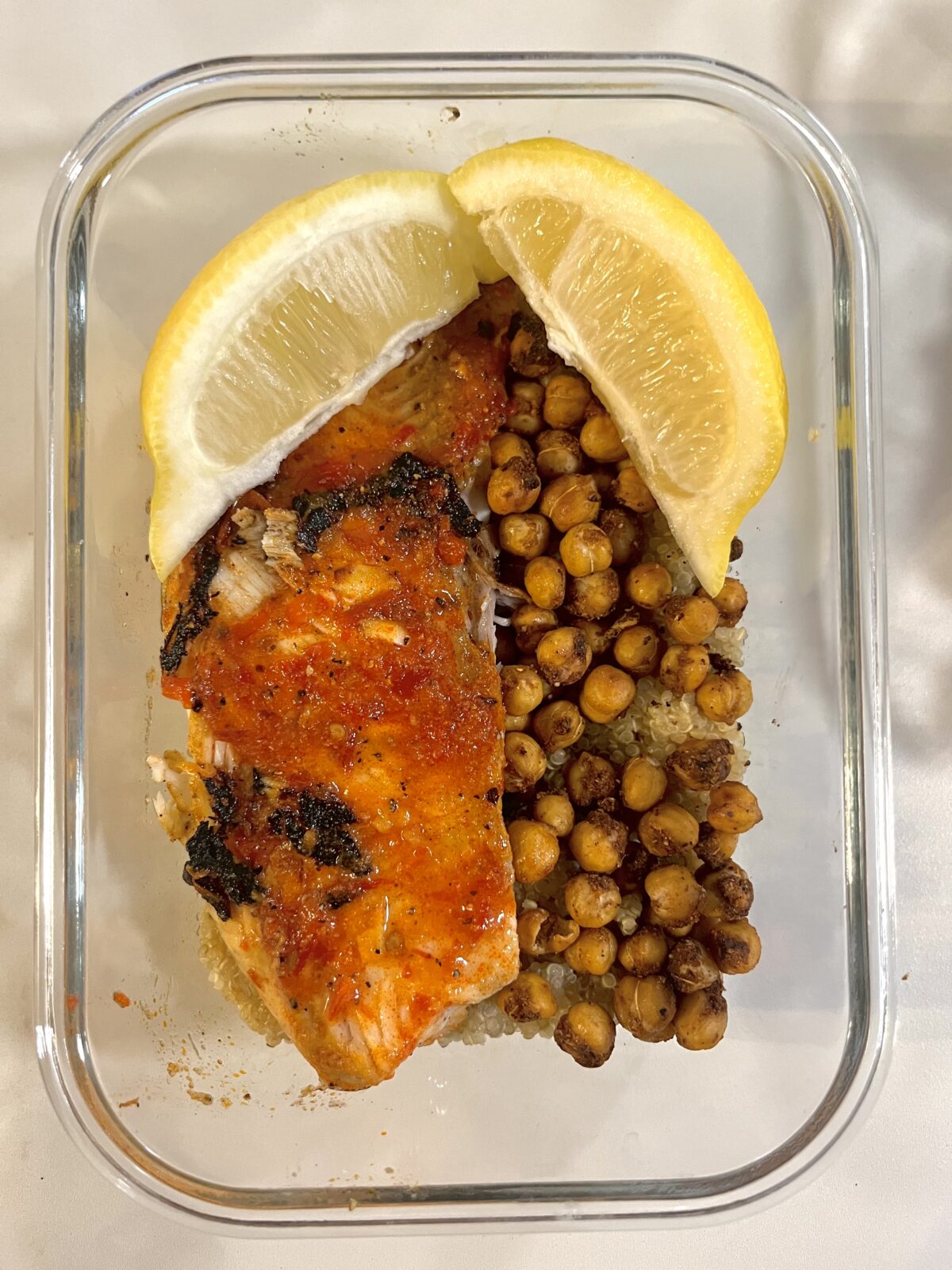
Harissa tilapia brings a different grain and legume pairing. Roast the chickpeas while quinoa cooks, then sear the fish. The recipe uses one 15 oz can of chickpeas, drained and rinsed, not 15 oz of drained chickpeas.

Roasted sprouts with salmon

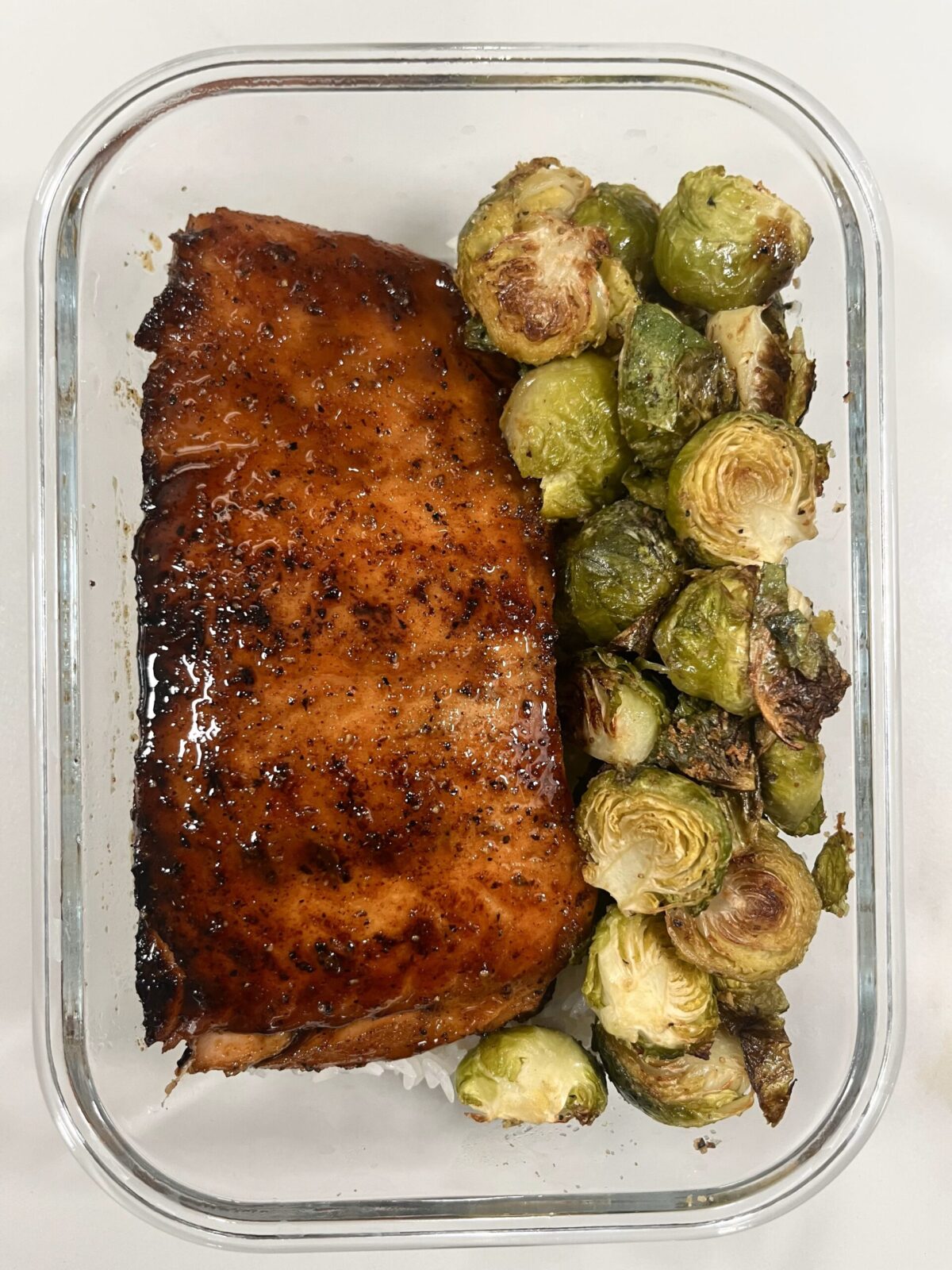
Cajun-maple salmon includes Brussels sprouts and jasmine rice. Allow at least 30 minutes for refrigerated marinating, plus the searing and oven finish. Its listed 60 minutes is an estimate, not a promise that every step fits without overlap.

One listed recipe serving, including written sides and sauces. Times are the recipes’ listed estimates. Ingredient-use costs are estimates, not grocery checkout totals.
RecipeProteinFiberCaloriesCost est.Listed time
Southwest Beef & Sweet Potato Skillet57.9g8.6g636$5.7150 min
Glazed Harissa Tilapia Bowls59.2g8g553$4.2245 min
Cajun Maple Glazed Salmon56.6g8.1g859$6.4460 min
BBQ Pork & Sweet Potatoes55.7g8.2g593$2.22510 min

Pick a flavor, then open the full recipe

Good food worth making again.

Southwest Beef & Sweet Potato Skillet

01 · Beef, sweet potatoes and melted cheddar

Southwest Beef & Sweet Potato Skillet

57.9g protein$5.71 / serving est.50 min

Diced sweet potatoes, tomatoes and green chiles cook in the same skillet after the beef comes out. The cheddar finish is included in the listed nutrition, so this is not a dairy-free choice.

Before you cook: Simmer the sweet potatoes until tender before returning the beef. The beef and vegetable stages have separate seasoning measures. Omitting cheese or adding beans changes the listed nutrition.

Get the recipe →
Glazed Harissa Tilapia Bowls

02 · Harissa fish with chickpeas and quinoa

Glazed Harissa Tilapia Bowls

59.2g protein$4.22 / serving est.45 min

Roasted chickpeas and herbed quinoa make this a useful alternative to the rice bowls. The written quinoa uses chicken broth, so this is not a fish-and-vegetables-only ingredient list.

Before you cook: Measure 1 cup quinoa dry and use one 15 oz purchased can of chickpeas, then drain and rinse. Reserve clean harissa glaze before coating the fish. The chickpeas need 20-25 minutes at 425°F while the other components cook.

Get the recipe →
Cajun Maple Glazed Salmon

03 · Maple salmon with roasted Brussels sprouts

Cajun Maple Glazed Salmon

56.6g protein$6.44 / serving est.60 min

Brussels sprouts, jasmine rice and a maple-Cajun glaze accompany the salmon. The full serving is richer in calories than the tilapia bowl; similar fiber totals does not make the meals interchangeable.

Before you cook: Reserve one third of the glaze before marinating raw fish. Refrigerate for at least 30 minutes, cook rice separately and roast the sprouts at 425°F. Check salmon reaches 145°F; remove skin while still warm if you prefer it off.

Get the recipe →
BBQ Pork & Sweet Potatoes

04 · Slow-cooked pork with roasted wedges

BBQ Pork & Sweet Potatoes

55.7g protein$2.22 / serving est.510 min

Pork loin shreds into BBQ sauce while sweet potato wedges roast separately. This is the long-cooking option, with a listed 510-minute estimate rather than a quick weeknight skillet method.

Before you cook: Weigh 2 lb raw pork loin after trimming visible fat. Roast the 2 lb sweet potato wedges at 425°F near the end of the slow-cooker session. The declared optional broth is included in the estimate; sauce substitutions and extra oil change it.

Get the recipe →

Make the batch work for you

Keep the sides, plan the texture

Portion the whole recipe

Divide the protein, grain or potatoes, vegetables and measured sauce across four portions. Removing the chickpeas, sprouts or sweet potatoes changes the fiber estimate; the meat and fish alone do not represent the numbers in the table. Extra vegetables or ingredient swaps need their own calculation.

Give roasted sides space

Spread sweet potato wedges and Brussels sprouts out so they brown rather than steam. Watch the thin sprout leaves near the end. Roasted chickpeas soften in a closed container with quinoa and sauce; pack separately if you prefer to re-crisp them before serving. Keep all cooked components refrigerated.

Use the right cooking check

Cook ground beef to 160°F and fish to 145°F. Reserve clean glaze before it touches raw fish and discard the used marinade. For BBQ pork, thaw the loin in the refrigerator first, then follow the LOW 8 hours or HIGH 4-5 hours method until fork-tender. Whole pork must reach at least 145°F with a 3-minute rest; that minimum does not establish shreddable tenderness.

Chill now, freeze later portions

Refrigerate cooked food in shallow containers within two hours, or one hour above 90°F. Keep the fridge at 40°F or below and use leftovers within 3-4 days. Freeze later-week portions promptly, thaw in the refrigerator and reheat to 165°F throughout. Reheat pork outside the slow cooker; gentler, covered reheating helps keep fish from drying out.

Fiber is one part of the comparison

These are not low-sodium or low-calorie selections. The beef skillet includes cheddar, and the salmon estimate assumes an 8 oz raw Atlantic salmon fillet per serving. BBQ sauce, harissa and seasoning brands affect the values; a low-sugar or low-sodium suggestion is not proof that the reference calculation uses your product. Prices are historical ingredient-use estimates, not full packages or current checkout totals.

Pack safely for later. Refrigerate cooked food in shallow containers within 2 hours, or 1 hour above 90°F. Keep the fridge at 40°F or below and use leftovers within 3-4 days; freeze later portions promptly. Reheat leftovers to 165°F throughout. Follow the recipe’s cooking instructions and check the safe cooking temperatures. USDA leftover guidance.

Compare the same serving, then make it yours

A quick note on the numbers.

Nutrition and time

Protein, fiber and calories come from the current recipe labels and describe one listed serving. Brands, portions, and substitutions change the values. The totals include the recipe’s sides and sauces. These selections have at least 50g of protein per listed serving.

Times come from each recipe, rather than a separate timed cooking test. Prep speed, appliance preheating, pan size, and cooking in batches can change the time you need. Read the full recipe before you start.

Ingredient-use estimates

Costs allocate the amount of each ingredient used, rather than every full package you buy. Optional ingredients and exclusions follow each recipe’s cost breakdown. Taxes, delivery, and membership fees are excluded; local prices and a first pantry shop can cost more.

These recipes’ cost records were checked September 21, 2026. Formula updates can retain earlier price observations. Open a recipe for its ingredient-level price sources and dates.

Reviewed November 6, 2026 · Selection and prep notes are based on the linked recipe ingredients and instructions · Cost methodology · Nutrition methodology